


Lathe Processing Appearance Quality Inspection Methods and Standards
2025-12-05



In the production process of metal parts, Lathe processing not only requires dimensional accuracy but also considers appearance quality as a crucial standard for evaluating product quality. Good appearance quality reflects the stability of the processing technology and is related to the product's assembly performance, service life, and customer trust. Therefore, standardized and accurate appearance quality inspection of turned parts is essential.
First, the most basic inspection method is visual inspection. By observing with the naked eye or using a magnifying glass, check the surface of the parts for obvious defects such as excessive tool marks, scratches, dents, discoloration, cracks, and burrs. Generally, appearance inspection requires the part surface to be smooth and uniform, without defects that affect use or aesthetics. Especially for parts used in precision equipment and those requiring high airtightness, strict control is needed over any surface defects that could affect sealing or fit.
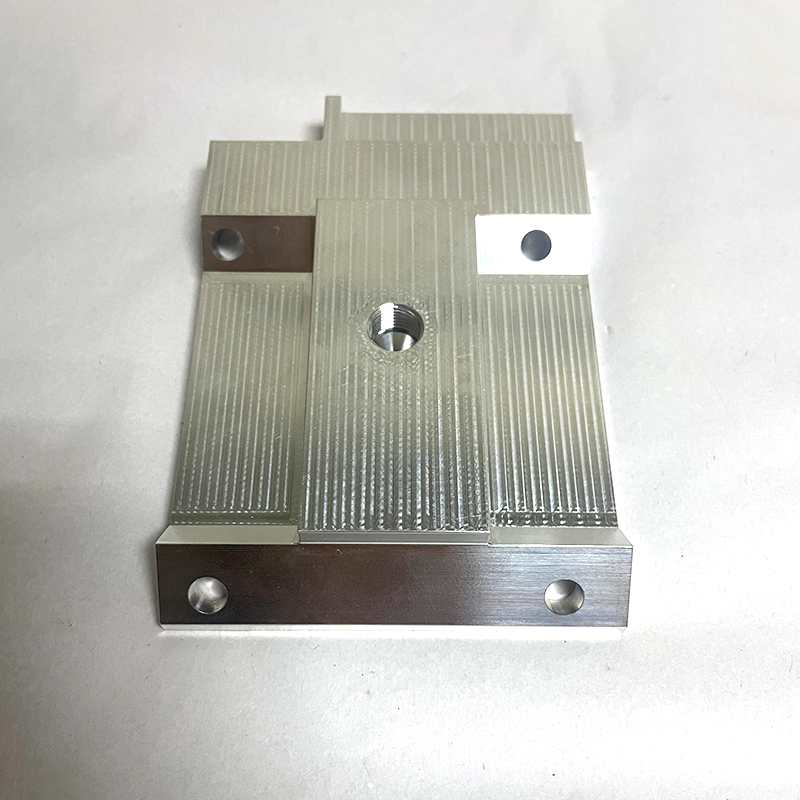
Secondly, surface roughness needs to be checked. Surface roughness is a crucial indicator of turning quality and is typically measured using a roughness tester. Standards differ for different parts; for example, mating surfaces and critical locations on shafts usually require lower Ra values, while the requirements for ordinary structural surfaces are relatively more lenient. By comparing the measured values with technical drawings or customer standards, it can be determined whether the roughness meets the standards.
Thirdly, surface consistency and machining marks need to be checked. An ideal turned surface should exhibit uniform and continuous tool marks, rather than uneven depths or obvious "broken tool marks." Uneven tool marks may indicate unstable feed, tool wear, or equipment vibration, all of which affect appearance and quality. Observing changes in gloss along the surface provides a visual indication of whether the machining marks are normal.
Furthermore, burr inspection is necessary. Burrs easily form on edges and openings during turning; if not addressed promptly, they can affect assembly, operational safety, and even damage equipment. Burr inspection is typically performed by touch, visual inspection, and with the aid of small tools. The inspection standard is: all edges should be smooth and free of sharp edges, and no obvious burrs are allowed.
Next, oxidation, rust, or stains need to be checked. For steel parts, improper storage or processing environments may result in slight rust spots or oxide scale; aluminum parts may develop white oxide spots. These defects affect the appearance and, in severe cases, may affect subsequent surface treatments. Therefore, it is essential to ensure that the parts are clean and free of corrosion.
Finally, the dimensional mating areas must be checked. Although dimensions fall under the category of precision, for parts with high appearance requirements, such as decorative parts and sealing contact surfaces, it is necessary to confirm that their boundaries are smooth, free of cutting marks or indentations, to ensure the smooth progress of subsequent processes such as painting and electroplating.
Lathe processing appearance quality inspection mainly includes visual inspection, surface roughness detection, tool mark consistency, burr control, cleanliness, and corrosion status. Through standardized inspection procedures and clear quality standards, the appearance quality of parts can be effectively guaranteed, enhancing the overall competitiveness of the product.
Related news
2025-12-10

 Inquiry Hotline:


Add whatapp

Add WeChat