


Innovative Applications of 5-axis Machining in Automotive Parts Manufacturing
2025-11-20



As the automotive manufacturing industry develops towards lightweighting, intelligence, and high performance, parts structures are becoming increasingly complex, leading to ever-increasing demands for machining precision and production efficiency. 5-axis machining technology, with its flexible processing methods and high precision advantages, is becoming a significant innovative force in the automotive parts manufacturing industry.
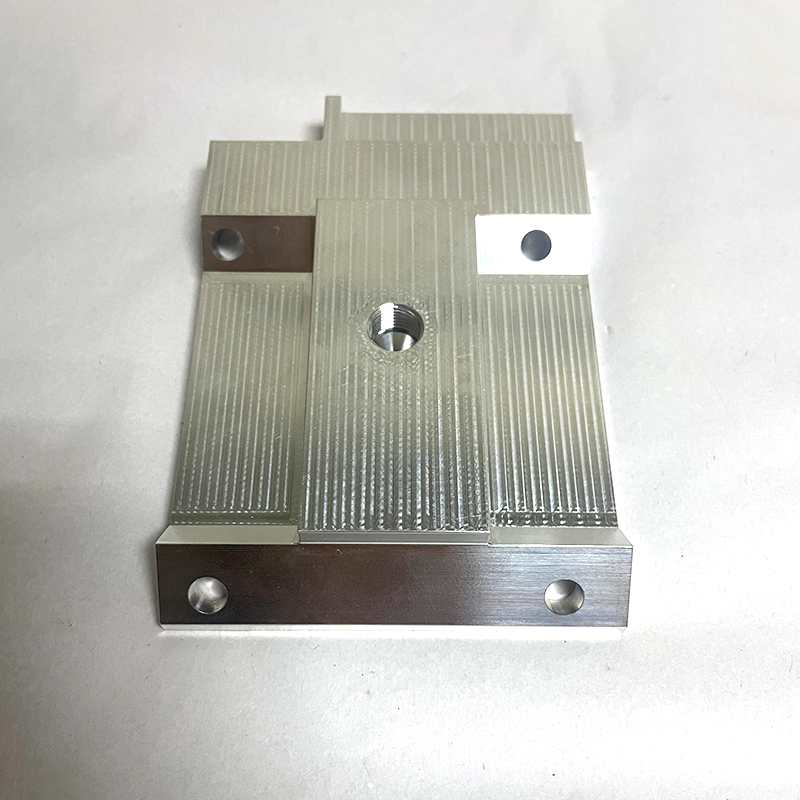
5-axis machining plays a crucial role in the high-precision manufacturing of complex parts. Traditional three-axis machine tools require multiple clamping operations when machining complex curved surfaces or multi-angled parts, which can easily lead to errors. However, 5-axis machining, through the linkage of five axes, allows the tool to contact the workpiece at the optimal angle, thus completing the surface machining in one pass, greatly improving the precision and consistency of parts. For example, engine blocks, turbocharger impellers, and suspension system components can all achieve higher-quality finished products through 5-axis machining.
5-axis machining significantly improves production efficiency and material utilization. By optimizing toolpaths and reducing process changes, five-axis machine tools can complete the machining of multiple surfaces in a shorter time, significantly reducing manual intervention and tooling time. Furthermore, 5-axis machining effectively reduces material waste, allowing for more efficient use of high-cost alloy materials, aligning with the cost reduction and efficiency improvement goals of the automotive manufacturing industry.
5-axis machining technology is driving the precision manufacturing of core components for new energy vehicles. In the manufacturing of electric vehicle drive systems and battery casings, five-axis machine tools enable the machining of high-precision heat sinks and lightweight structures, ensuring stable component performance and improving overall vehicle range. This machining method also provides more flexible solutions for the application of high-strength aluminum alloys and composite materials.
5-axis machining is facilitating the intelligent transformation of automotive manufacturing. Combining CAD/CAM systems with automated control technology, 5-axis machining achieves a digitally integrated process from design to production, not only improving manufacturing flexibility but also shortening the development cycle of new vehicle models.
With its advantages of high precision, high efficiency, and flexibility, 5-axis machining is bringing new innovative momentum to automotive parts manufacturing, driving the entire industry towards higher quality and greater intelligence.
Related news
2025-12-10

 Inquiry Hotline:


Add whatapp

Add WeChat