

Why is 5-axis machining the preferred process for high-end parts manufacturing
2025-11-14



As the manufacturing industry continues to evolve towards higher precision and complexity, traditional three-axis machining methods are no longer sufficient to meet the machining needs of complex parts. 5-axis machining technology, with its high flexibility, high precision, and high efficiency, is gradually becoming the preferred process in high-end manufacturing fields such as aerospace, automotive molds, and medical devices.
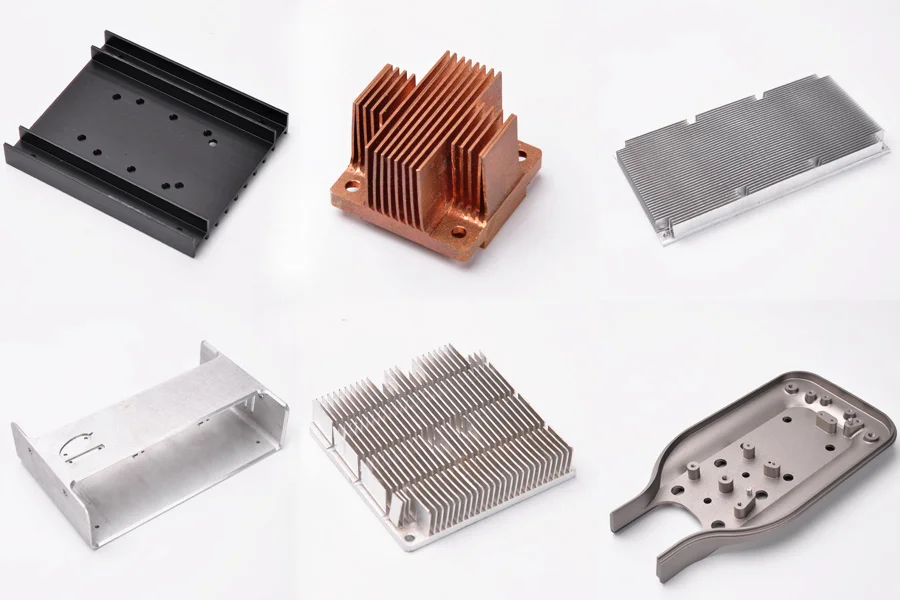
5-axis machining enables multi-angle and multi-directional cutting operations. Unlike three-axis machine tools that can only move along three coordinate directions, 5-axis machining centers add two rotary axes to the three linear axes (X, Y, and Z), allowing the tool to contact the workpiece simultaneously from multiple angles. This flexible machining method can complete the machining of complex curved surfaces or irregularly shaped parts in one operation, significantly reducing the number of workpiece clamping operations and improving machining efficiency and accuracy.
5-axis machining has significant advantages in precision control. Since the workpiece does not need to be disassembled and reassembled multiple times, positioning errors and repeated clamping errors are avoided, resulting in higher overall machining accuracy. It is particularly suitable for parts with extremely strict requirements on dimensions and shape. For example, aircraft engine blades, automotive molds, and medical implants all require micron-level precision, which 5-axis machining can reliably meet.
5-axis machining significantly improves production efficiency and material utilization. By optimizing toolpaths and cutting angles, machining time can be shortened, while tool wear and scrap generation are reduced, thereby lowering overall production costs. Furthermore, 5-axis machining can produce parts with higher surface finishes, reducing subsequent polishing and finishing processes.
5-axis machining represents the trend towards intelligent and automated manufacturing. Modern five-axis machine tools are often equipped with high-performance CNC systems and automatic tool changers, seamlessly integrating with CAD/CAM software to achieve intelligent production processes from design to manufacturing.
With its high precision, high efficiency, and high flexibility, 5-axis machining is gradually replacing traditional machining methods, becoming an indispensable core technology in the high-end parts manufacturing field.
Related news
2025-12-10

 Inquiry Hotline:


Add whatapp

Add WeChat