

The Advantages of FDM Prototyping in Industrial Design
2025-10-24



In modern industrial design, the emergence of rapid prototyping technology has greatly improved product development efficiency and innovation. FDM prototyping (fused deposition modeling) has become a crucial tool for design verification and functional testing due to its low cost, ease of use, and wide applicability. FDM technology not only helps designers quickly transform concepts into physical models, but also demonstrates significant advantages in improving design quality and shortening development cycles.
The greatest advantage of FDM prototyping lies in rapid design verification. Traditional prototyping often requires tedious steps such as mold making and machining, resulting in long and costly cycles. FDM technology, on the other hand, allows direct printing from 3D design files, rapidly transforming digital models into physical prototypes, allowing designers to quickly verify appearance, structure, and functionality. This rapid feedback mechanism significantly shortens product development cycles and accelerates time to market.
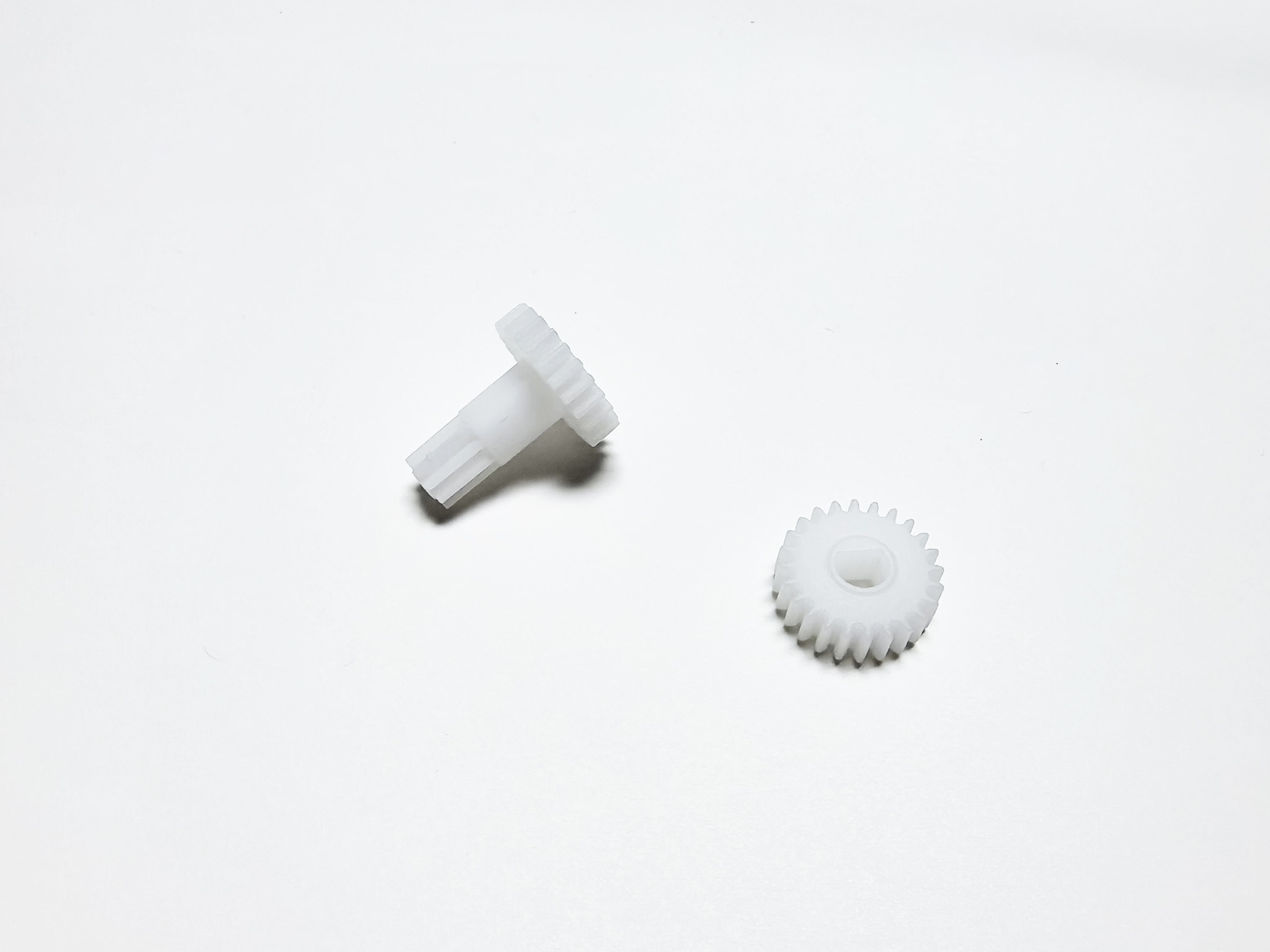
FDM technology offers significant cost advantages. Compared to CNC machining or injection molding, FDM equipment is affordable, offers a wide variety of consumables, and maintains manageable costs, making it ideal for small and medium-sized businesses and R&D teams. For projects requiring frequent design revisions, FDM prototypes can be reprinted and flexibly adjusted, effectively reducing resource waste.
FDM prototyping excels in material diversity and functionality. Common printing materials such as PLA, ABS, PETG, and nylon can be selected based on specific strength, toughness, and heat resistance, enabling a wide range of applications, from prototypes to functional components. This allows designers to not only verify the appearance but also conduct actual assembly or mechanical testing.
The customizability and design freedom of FDM technology also open up new possibilities for industrial design. Complex structures, internal cavities, and personalized products can all be achieved through parameter adjustments, breaking through the limitations of traditional processing and providing a wider range of innovative design possibilities.
FDM prototyping, with its advantages of rapid prototyping, low cost, material flexibility, and high design freedom, is becoming an indispensable tool in the industrial design stage. It not only accelerates the design verification process but also helps companies achieve higher innovation efficiency and competitiveness in the fiercely competitive market.
Related news
2025-12-10

 Inquiry Hotline:


Add whatapp

Add WeChat