


The Prospects of SLS Prototyping in Industrial Design
2025-10-10



With the continuous development of manufacturing and innovation, rapid prototyping technology is playing an increasingly important role in industrial design. Among them, SLS (Selective Laser Sintering) prototyping, with its high precision, multi-material adaptability, and ability to form complex structures, has gradually become a popular choice in the industrial design field.
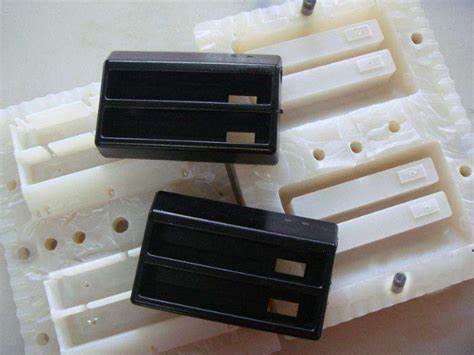
First, SLS prototyping offers significant advantages in industrial design. Traditional processing methods are often limited when it comes to complex shapes and details. SLS technology, however, enables virtually unlimited structural design by laser-sintering powder materials layer by layer. This feature not only helps designers more intuitively validate their ideas but also allows them to quickly identify and optimize product defects during the prototyping phase.
Second, SLS prototyping is compatible with a wide range of materials, including nylon, glass fiber reinforced materials, and some metal powders. This allows industrial designers to select the appropriate material based on varying strength, toughness, and heat resistance requirements, ensuring that prototype performance more closely matches the final product. For design projects requiring functional verification, SLS prototyping can be directly used for strength testing or assembly testing, significantly improving R&D efficiency.
Furthermore, SLS prototyping also has broad application prospects in small-batch production. Many industrial design projects require small-scale testing to verify market response before entering large-scale production. SLS rapid prototyping not only meets the needs of low-cost, small-batch production but also shortens production cycles, allowing companies to bring products to market faster and enhance their competitive advantage.
In the future, with advances in materials science and 3D printing technology, SLS prototyping will demonstrate even greater application potential. The development of more functional materials will enable it to play a greater role in industries such as automotive, medical, aerospace, and consumer electronics. Furthermore, the integration of intelligent design and SLS technology is expected to propel industrial design to a higher level of development.
SLS prototyping has broad application prospects in industrial design, providing designers with more flexible creative space and enabling companies to achieve higher R&D efficiency and market competitiveness.
Related news
2025-12-10

 Inquiry Hotline:


Add whatapp

Add WeChat