


How FDM prototyping improves product R&D efficiency
2025-09-19



In modern manufacturing and product design, R&D efficiency directly impacts the speed with which products can be brought to market. As a mature 3D printing technology, FDM (fused deposition modeling) prototyping plays a key role in improving R&D efficiency. With its rapid prototyping, manageable costs, and user-friendly features, FDM has become a key choice for many companies to shorten their R&D cycles.
FDM prototyping can significantly shorten design verification cycles. Traditional prototyping methods require mold processing, often taking weeks or even months. FDM, on the other hand, simply imports 3D design files into the machine and prints a physical model in a fraction of the time. Designers can create a visual prototype within hours, enabling rapid visual evaluation, structural verification, and functional testing, significantly accelerating the design-to-verification process.
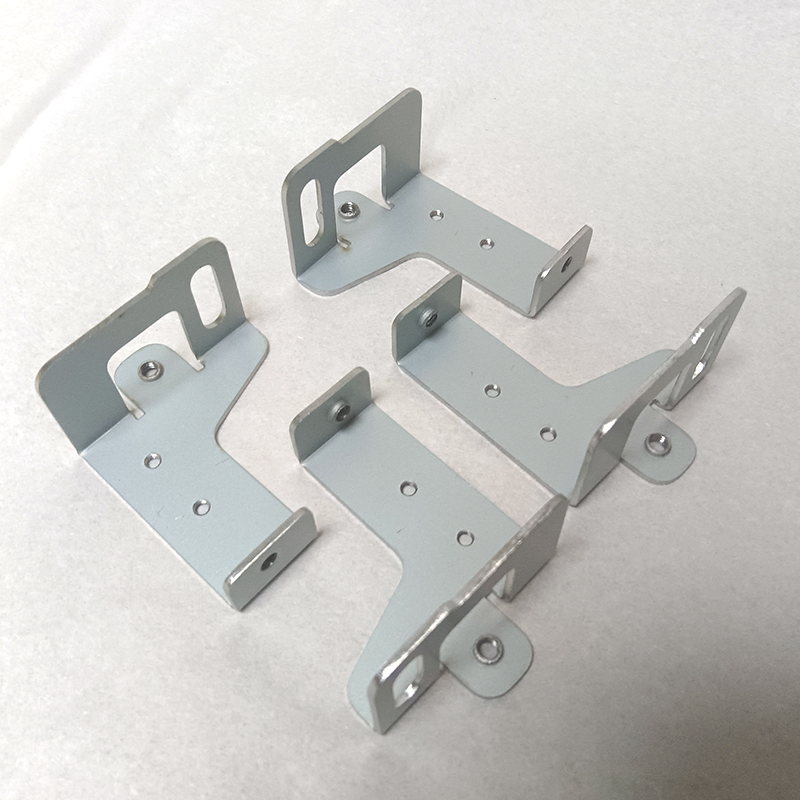
FDM prototyping offers significant advantages in multiple iterations and optimization. Product development often requires repeated revisions and testing. FDM can quickly and cost-effectively produce new prototype versions, enabling R&D teams to complete multiple iterations in a shorter timeframe. This not only reduces waiting time but also helps designers identify and resolve potential issues promptly.
FDM prototyping offers material diversity and functional verification. Common materials like ABS and PLA can meet appearance verification requirements, while higher-performance engineering plastics can be used for functional testing such as strength and heat resistance. This allows R&D teams to conduct comprehensive evaluations during the prototype phase, preventing quality risks during subsequent production.
FDM equipment is easy to operate and has low maintenance costs, making it suitable for R&D teams to conduct trial production anytime, anywhere. Compared to relying on external fabrication facilities, deploying FDM printers in-house significantly reduces communication and waiting time, further improving overall R&D efficiency.
FDM prototyping significantly improves product R&D efficiency through rapid prototyping, low-cost iterations, material diversity, and ease of use. It not only helps companies shorten R&D cycles but also helps them gain an advantage in a highly competitive market, providing strong support for product innovation and upgrades.
Related news
2025-12-10

 Inquiry Hotline:


Add whatapp

Add WeChat