

How FDM prototyping improves product verification efficiency
2025-08-28



Prototyping is an essential step in the product development process. Traditional prototyping methods are often time-consuming and costly, limiting the efficiency of R&D teams. However, with the advancement of 3D printing technology, FDM prototyping has gradually become a key tool for companies to improve product verification efficiency.
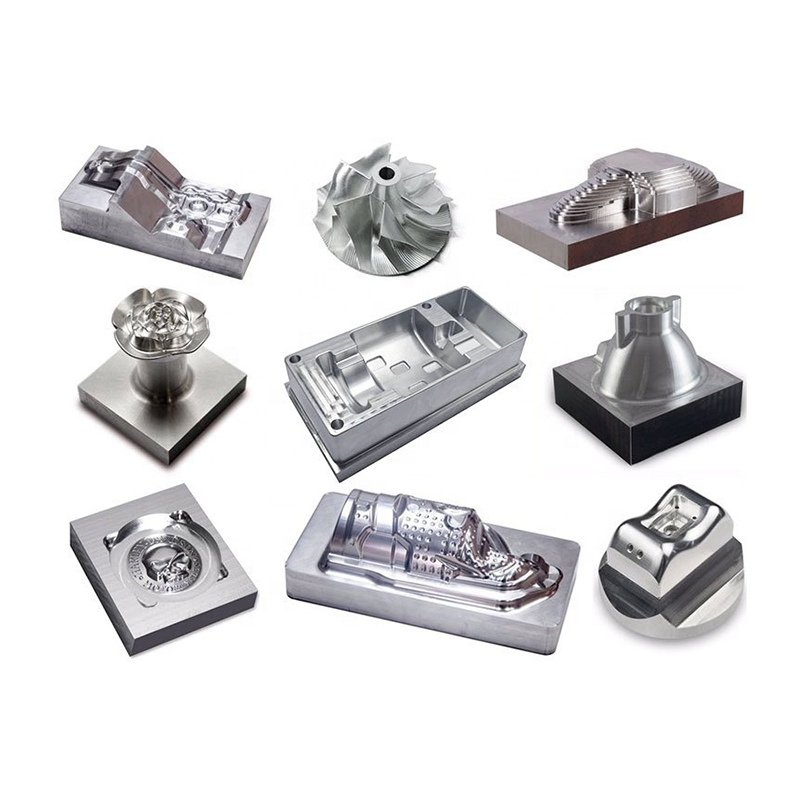
First, FDM prototyping can significantly shorten the R&D cycle. Traditional prototyping requires complex processes such as mold making, cutting, and assembly, often taking weeks or even months. FDM prototyping, on the other hand, simply imports the 3D model into the printer and builds the material layer by layer, significantly reducing waiting time. R&D personnel can quickly produce preliminary prototypes and quickly conduct assembly testing and structural verification.
Second, FDM prototyping offers exceptional flexibility, enabling multiple iterations. During product development, designs often require continuous revision based on test results. With FDM technology, engineers can adjust model designs at any time and produce new prototypes for verification within hours. Compared to traditional methods, this "make-as-you-go" model significantly improves R&D iteration efficiency.
Furthermore, FDM prototyping can help R&D teams more intuitively identify potential issues. Using 3D mockups, designers and customers can visually examine the product's appearance, dimensions, and functionality, uncovering subtle flaws that might otherwise be difficult to detect in 2D drawings or virtual models. This visual verification method helps reduce design errors and mitigates the risks of subsequent modifications and production.
FDM prototyping also offers advantages in terms of cost control. Because it eliminates the need for expensive mold manufacturing, FDM can produce prototypes at lower material costs. This significantly reduces financial pressure for small and medium-sized enterprises and R&D teams that require frequent verification.
FDM prototyping effectively improves product verification efficiency by shortening R&D cycles, increasing iteration flexibility, optimizing problem discovery, and reducing costs. For companies seeking to accelerate R&D progress and enhance market competitiveness, FDM prototyping is undoubtedly a highly effective solution.
Related news
2025-12-10

 Inquiry Hotline:


Add whatapp

Add WeChat